2026 Verified Travel Specifications
| Overall Index Rank |
#06 (Score: 90.8 / 100) |
| Micro-Mobility Rating |
9.3 / 10 (Over 180 km of segregated, physically protected Sevici bike corridors) |
| Daily Baseline Estimate |
$92 USD (€85 EUR: boutique stay, 3 tapas meals, TUSSAM tourist transit pass) |
| High Speed Rail Link |
Sevilla-Santa Justa Station — 2h 30m direct to Madrid via Renfe AVE |
| Municipal Airport Gateway |
Seville San Pablo Airport (SVQ) — 35 mins via EA Special Airport Bus (€4.00) |
| Tap Water Standard |
Certified Drinkable (Supplied by EMASESA mountain reservoir catchment) |
| Recommended Stay Window |
4 to 6 Days for Barrio Santa Cruz, Triana, and Royal Alcázar gardens |
| Climate Consideration |
Optimal from March through May; extreme summer afternoon heat mitigation recommended |
Why Seville Holds the #06 Rank in 2026
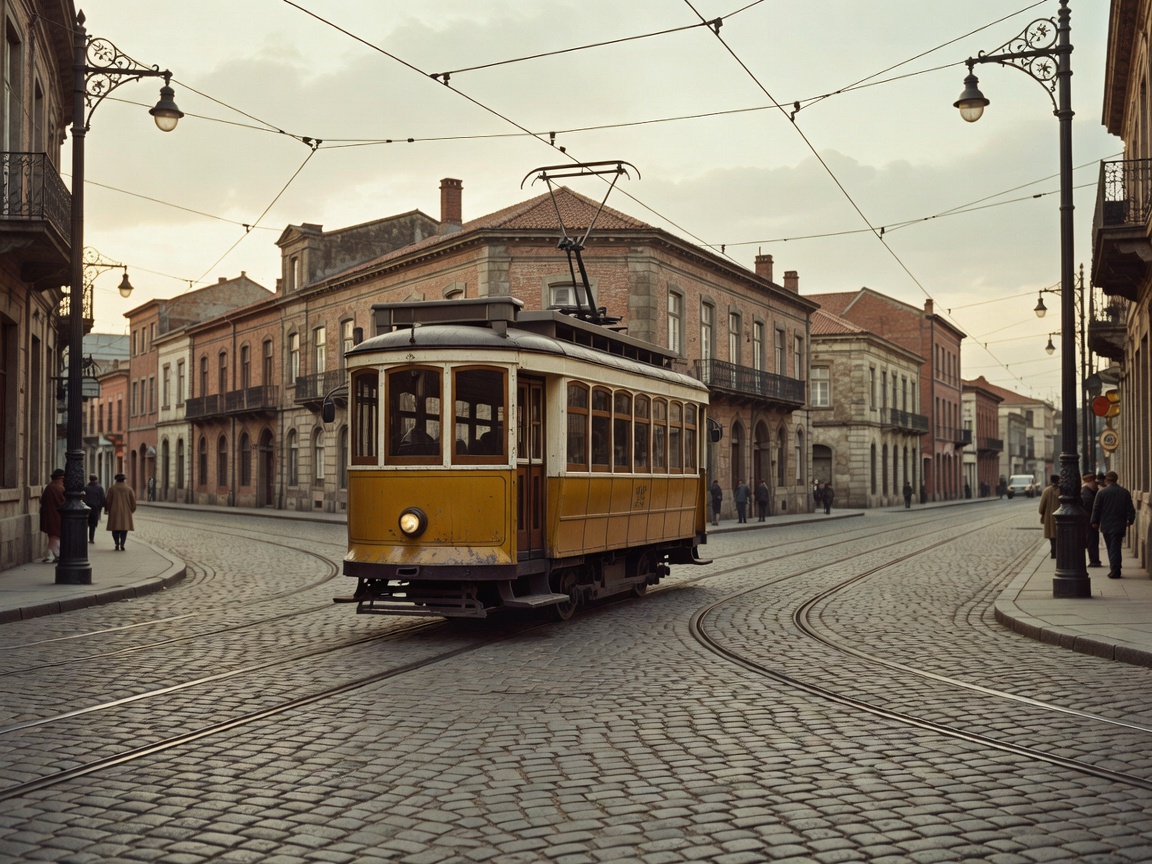
Seville represents one of Southern Europe's most dramatic urban design success stories. Over the past fifteen years, the Andalusian capital transformed its transit topology by installing a contiguous, physically segregated bicycle network spanning over 180 kilometers. Paired with the pedestrianization of the central Avenida de la Constitución and the whisper-quiet MetroCentro electric tram, Seville allows cultural voyagers to traverse medieval quarters without battling combustion traffic.
Transit Insider Tip: Register for a short-term Sevici Weekly Card (€13.33) at any automated station kiosk. The first 30 minutes of every trip are free, allowing you to pedal seamlessly between the Royal Alcázar, the ceramic kilns of Triana, and the gardens of María Luisa Park.
Mudéjar Architecture & Living Heritage
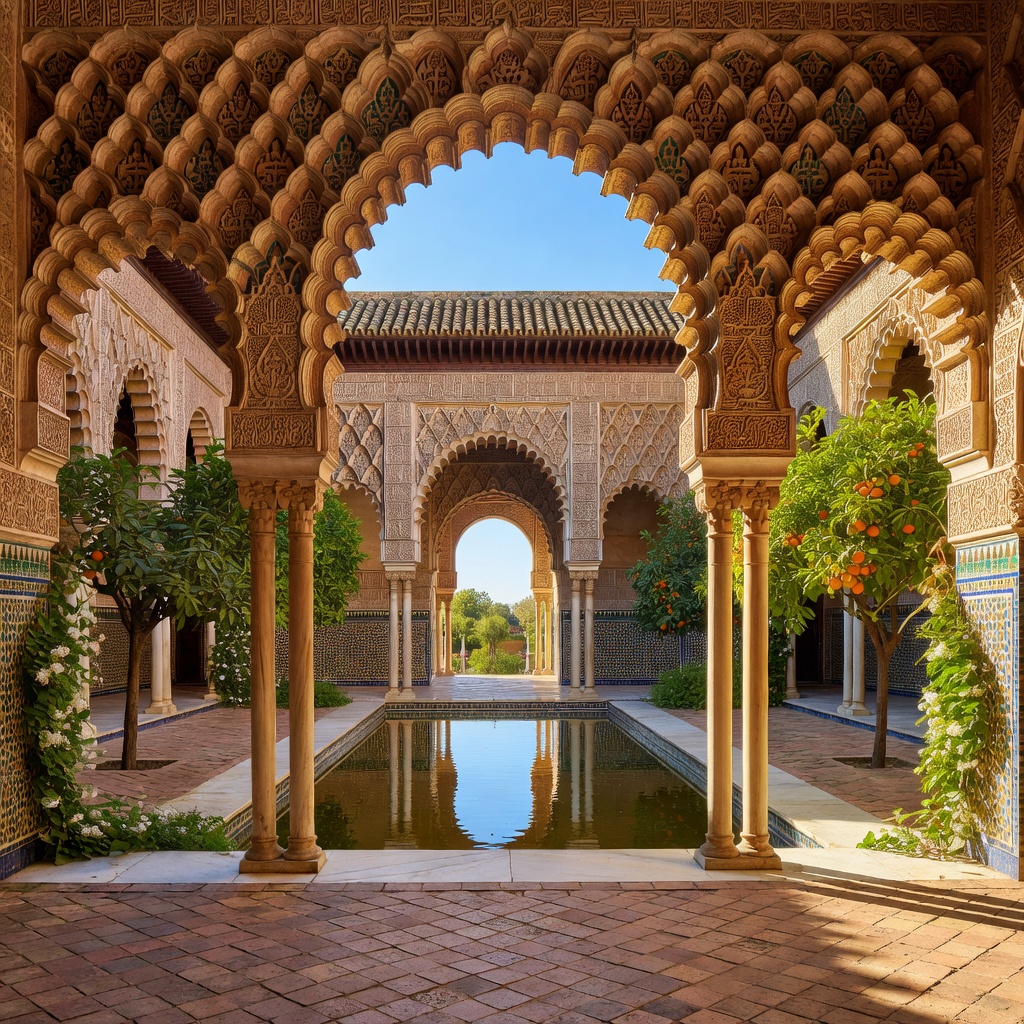
As the historic crossroads of Islamic, Jewish, and Christian civilizations, Seville houses monumental masterpieces recognized on the UNESCO World Heritage registry. The Royal Alcázar showcases intricate stucco plasterwork, horseshoe arches, and aromatic sunken orange courtyards. Directly adjacent, the Catedral de Santa María de la Sede stands as the largest Gothic cathedral in Christendom, surmounted by the Giralda bell tower, originally constructed as an Almohad minaret in 1198.
Authentic Andalusian Tapas Culture
Dining in Seville is an active, communal ceremony known as tapeo. Rather than sitting through extended formal meals, locals move between neighborhood bodegas and tabernas, ordering small dishes of spinach with chickpeas (espinacas con garbanzos), Iberian cured ham, and chilled salmorejo soup. In traditional taverns across the Alameda de Hércules and Triana, a beer and a freshly prepared tapa cost less than €4.50.
Independent Field Notes
C. Morales • Southern European Urbanism Fellow
November 2025 Verification
“Riding along the Guadalquivir riverbank at dusk past the Torre del Oro is pure poetry. Seville proves that ancient medieval cities can construct world-class cycling arteries without sacrificing heritage stone masonry.”
Dr. G. Bennett • Mediterranean Architectural Society
January 2026 Verification
“The quiet courtyards of Barrio Santa Cruz provide natural microclimate cooling even during unseasonably warm afternoons. Exploring early in the morning before tourist tour buses arrive is unforgettable.”