2026 Verified Travel Specifications
| Overall Index Rank |
#08 (Score: 88.9 / 100) |
| Transit System Score |
9.4 / 10 (STM rubber-tired underground metro, 33 km RÉSO subterranean city, BIXI bike network) |
| Daily Baseline Estimate |
$120 USD (~162 CAD: boutique lodging, 3 French-Canadian meals, STM 24-hr pass) |
| Primary International Gateway |
Montréal-Trudeau International Airport (YUL) — 35 mins via 747 Express Bus ($11 CAD) |
| Subterranean Network |
RÉSO pedestrian network links 68 metro stations across 33 climate-controlled kilometers |
| Tap Water Safety |
Certified Drinkable (Superior municipal standards sourced from the St. Lawrence river) |
| Recommended Stay Window |
4 to 6 Days for Old Montreal, Mile End, and Mont-Royal exploration |
| Prime Season Window |
June through September (Vibrant outdoor street festivals, pedestrianized boulevards) |
Why Montreal Holds the #08 Rank in 2026
Montreal represents North America’s most sophisticated synthesis of European pedestrian urbanism and Canadian creative vitality. Built on an island in the St. Lawrence River, the metropolis is anchored by its iconic rubber-tired underground metro system, which operates with whisper-quiet efficiency across four lines and 68 stations. Beneath the downtown core, Montreal invented the RÉSO (Underground City), a sheltered 33-kilometer labyrinth of pedestrian promenades, concert halls, universities, and shopping concourses that shields walkers from winter frost and summer humidity alike.
Transit Insider Tip: Purchase an STM 3-Day Pass ($21.25 CAD) or Unlimited Weekend Pass ($15.25 CAD) from any automated metro kiosk. It includes full return transit on the 747 Express Airport Shuttle, saving over $22 CAD compared to individual ticket purchases.
Old Port Cobblestones to Plateau Bikeways
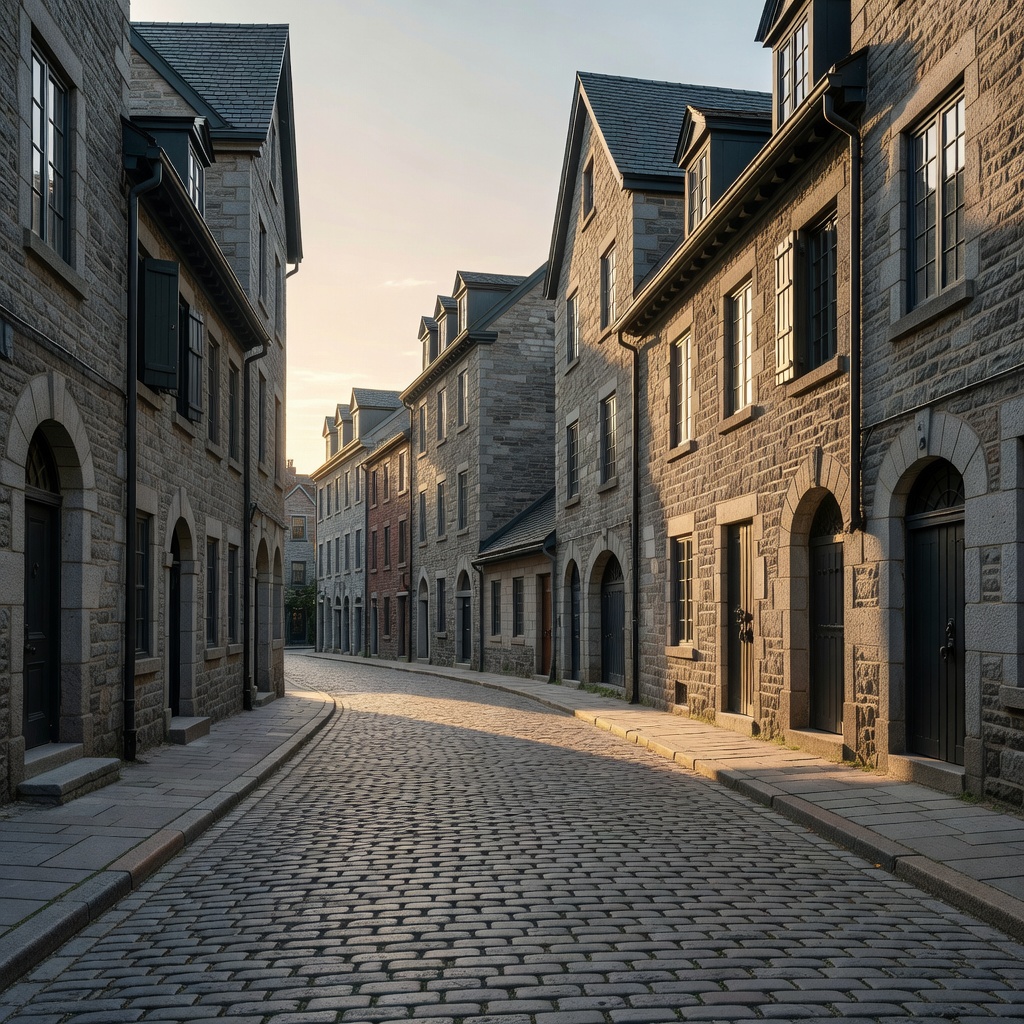
Starting at the 17th-century stone quays and cobblestones of Old Montreal, visitors can stroll along the Saint-Paul corridor past the monumental Notre-Dame Basilica. Transitioning northward into Le Plateau-Mont-Royal and Mile End, the urban fabric morphs into leafy residential streets lined with Victorian exterior spiral staircases, independent letterpress studios, and world-class street art murals along Boulevard Saint-Laurent.
Bilingual Culinary Baseline
Montreal’s gastronomy bridges classical French bistros with Jewish deli traditions and forward-thinking farm-to-table cuisine. A morning ritual consists of hot wood-fired sesame bagels plucked straight from 24-hour hearth ovens in Mile End for under $2.00 CAD, paired with locally sourced Quebec cheeses and artisanal café au lait.
Independent Field Notes
A. Charette • Urban Geography Fellow
October 2025 Verification
“The summer pedestrianization of Avenue du Mont-Royal turns over two kilometers of asphalt into an open-air community garden with wooden benches, outdoor art, and acoustic street musicians. It is the gold standard of livable streets.”
K. Patel • Sustainable Transit Researcher
November 2025 Verification
“BIXI bike-share stations are situated every three blocks in central Montreal. You can unlock an electric BIXI bike and ride protected north-south cycling tracks along the REV (Réseau Express Vélo) across the entire island in 25 minutes.”